
Japan's takkyūbin (TA-Q-BIN) system is a door-to-door luggage delivery service that lets you send suitcases between airports, hotels, homes, and other destinations. It helps you travel hands-free, skip the crowded station staircases with a 28-inch roller bag, and just enjoy the trip.
What Is Takkyūbin?
Yamato Transport launched it in 1976. The idea was simple: anyone should be able to ship a package anywhere in Japan, quickly and reliably. Today there are three main providers — Yamato (the most widely used), Sagawa Express, and JAL ABC — and they're all available at airports, hotels, and convenience stores across the country.
| Provider | Best For |
|---|---|
| Yamato Transport (TA-Q-BIN) | Most widely used; English counters; hotel & convenience store drop-off |
| Sagawa Express | Sports gear (skis, golf bags), hands-free travel packages |
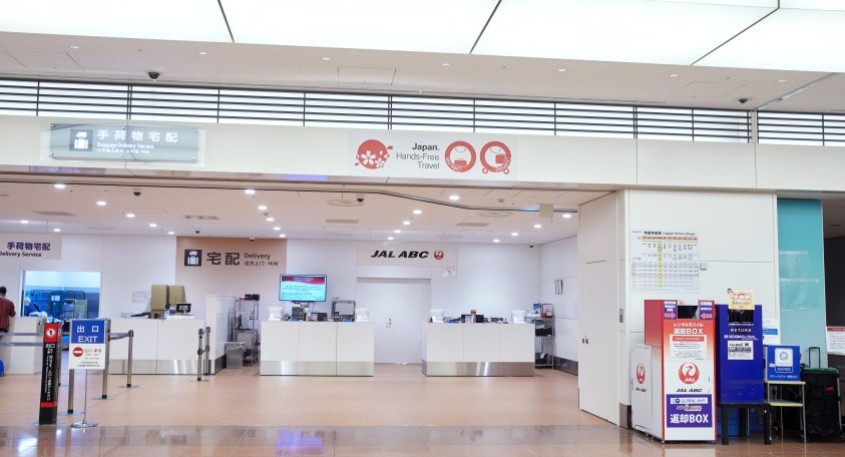
| JAL ABC | Airport-to-hotel delivery; strong at Narita, Haneda, Kansai |
How to Use It — 4 Steps
1. Drop Off Your Bag
Choose your drop-off point: hotel front desk, airport counter, or any 7-Eleven, Lawson, or FamilyMart. Hotel front desks are the easiest — staff handle the paperwork.
2. Fill Out the Form
You'll need: destination address (hotel name, address, phone), your full name (matching your reservation), and a preferred delivery date/time. Many counters have English forms. Hotel staff often help you complete it.
3. Pay
Cash is accepted everywhere. Credit cards work at most convenience stores and airport counters. Keep your receipt — it has the tracking number.
4. Pick Up at the Destination
Hotel: collected at the front desk. Airport: at the takkyūbin counter in the arrivals or departures hall.
Gohan World tip: Book delivery for the day before you need your bag — not same-day. Standard delivery is next-day. For farther destinations like Hokkaido or Okinawa, allow 2+ days.
Estimated Pricing Chart
Prices below are estimates for Yamato TA-Q-BIN, based on a standard large suitcase shipped within the Tokyo 23 wards or to nearby Kanagawa. Actual prices vary by exact size, weight, and delivery zone.
| Suitcase Size | Combined Dimensions | Within Tokyo 23 Wards | Tokyo → Kanagawa |
|---|---|---|---|
| Small (60) | Up to 60 cm | ~¥1,000–¥1,200 | ~¥1,200–¥1,400 |
| Medium (80) | Up to 80 cm | ~¥1,200–¥1,500 | ~¥1,400–¥1,700 |
| Large (100) | Up to 100 cm | ~¥1,500–¥1,800 | ~¥1,700–¥2,000 |
| Extra Large (120) | Up to 120 cm | ~¥1,700–¥2,000 | ~¥1,900–¥2,300 |
* Estimates only. Confirm current rates at your drop-off point. Max combined dimensions: ~160–200 cm. Max weight: ~30 kg.
Even two bags shipped both directions on a week-long trip comes out around $50–$60 total — less than one checked bag fee on most US domestic flights.
The Best Use Cases
- Airport arrival → hotel — Ship your bag from Narita or Haneda straight to your first hotel before you even leave the arrivals hall. Jump on the Narita Express with nothing but a small backpack.
- Hotel → hotel (city hopping) — Moving from Tokyo to Kyoto? Ship the night before. Your bag is waiting at the next front desk when you arrive.
- Hotel → airport (departure day) — Ship from your last hotel in the morning. Pick up at the departures counter when you get there. No checking an oversized bag, no dragging it onto the train.
Most importantly, you won't be dragging a heavy suitcase through town. Japan requires a lot of walking — and dragging luggage through it isn't just tiring, it gets in the way of the trip itself. Shipping your bags frees you up to actually enjoy where you are.
A Few Things to Know
- Don't ship valuables, passports, fragile items, or electronics — keep those with you.
- Confirm the hotel can accept delivery before check-in time — call or email ahead.
- Size and weight limits: combined dimensions up to ~160–200 cm, max ~30 kg.
- Tracking: you get a slip number — check status via Yamato's English site.
What If Your Bag Is Delayed or Missing?
This is the question most first-timers ask — and it's a fair one. Here's the honest answer: takkyūbin is remarkably reliable. Japan residents use it daily, and actual loss incidents are rare enough that they make the news when they happen. That said, delays do occur, usually during typhoons or heavy snowstorms when highway logistics stall.
If Your Bag Hasn't Arrived on Time
- Check the tracking number on your waybill receipt — Yamato's English tracking site shows real-time status.
- Call or contact the carrier directly. For Yamato, you can reach them by phone or online. All the details you need are printed on your waybill copy.
- File a delay or loss claim as soon as you notice the problem. For Yamato, damage claims must be filed within one week of delivery; loss claims can be filed the moment something goes missing.
What Does Takkyūbin Actually Guarantee?
Yamato's standard policy covers up to ¥300,000 per bag (roughly $2,000 USD) for loss or damage caused by the carrier. If they're at fault, they investigate and compensate up to that amount. That covers most travelers' suitcase contents for a typical trip — but not high-value items like jewelry, cameras, or laptops, which is exactly why the advice is to keep those with you.
Gohan World tip: Before you ship, take a photo of your suitcase and its contents. It takes 30 seconds and gives you solid documentation if you ever need to file a claim.
Does Travel Insurance Cover a Takkyūbin Delay?
Standard takkyūbin delay is a carrier issue, handled directly with Yamato or Sagawa — not typically an airline baggage delay claim. However, if a delayed bag disrupts your trip (you're in Hokkaido and your winter gear is stuck in a warehouse in Nagoya), a solid travel insurance policy with baggage delay coverage can reimburse you for essential purchases — clothing, toiletries, gear rentals — while you wait.
World Nomads covers baggage delays of 12+ hours and includes a dedicated lost baggage tracking and delivery service in every plan. Allianz covers emergency essential purchases while your baggage is delayed, plus reimbursement for lost or damaged items. Both are worth having for a Japan trip regardless of whether you use takkyūbin — but the baggage delay benefit is particularly relevant here.
Insurance Affiliate Disclosure: This page contains affiliate links to insurance products. If you purchase a policy through my links, I may earn a referral commission at no extra cost to you. This does not influence my recommendations. I am not a licensed insurance adviser — information on this page is general in nature. Always read the full policy documents before purchasing.
Useful Japanese Phrases
- 宅急便をお願いします (Takkyūbin o onegaishimasu) — "I'd like to use takkyūbin."
- 明日届きますか? (Ashita todokimasuka?) — "Will it arrive tomorrow?"
- ホテルまで送りたいです (Hoteru made okuritai desu) — "I'd like to send it to my hotel."
Book Your Takkyūbin — and Cover Your Bags
Klook — Takkyūbin Luggage Delivery in Japan
Pre-book door-to-door luggage delivery before your trip.
- Ship from airport to hotel, hotel to hotel, or hotel to airport
- Covers major providers including Yamato TA-Q-BIN
- Book in English online — no Japanese required at the counter
World Nomads — Best for Baggage Delay & Loss
Baggage delay and loss coverage included in every plan.
- Covers baggage delays of 12+ hours — reimburses essentials while you wait
- Dedicated lost baggage tracking and delivery service on every plan
- Medical, trip cancellation, and adventure sports also covered
Allianz Travel Insurance — Best Overall for Most Travelers
Trusted coverage with 24/7 emergency support worldwide.
- Covers emergency essential purchases during baggage delays
- Reimbursement for lost, stolen, or damaged luggage
- Up to $50,000 medical coverage and $500,000 medical evacuation
Takkyūbin is one of those Japan things that sounds minor until you use it — and then it changes how you travel. Ship the bags. Ride the trains free.